
The old mother’s final reckoning
The Florios of SicilyThis flow traces Giuseppina Saffiotti Florio’s late-life regret and the emotional inheritance she leaves with her family.
increasing Bearing strength in each event
 decreasing
Bearing strength in each eventdecreasingYears of resentment
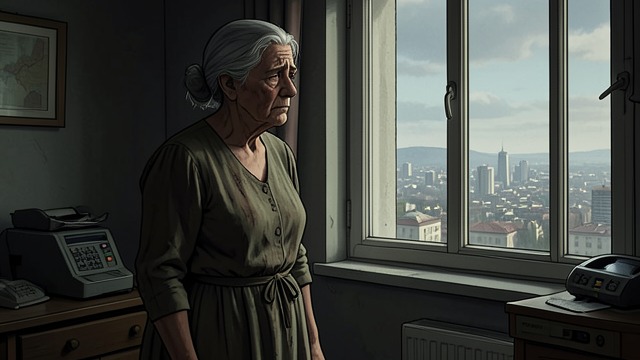
Years of resentment
A life shaped by displacement
After Ignazio Florio’s death, Giuseppina Saffiotti Florio continues to live in Palermo, carrying her attachment to Bagnara and regret about the life she might have chosen. Her anger at Paolo and the Florios gradually softens but does not vanish at once.
An uneasy household
She remains close to Vincenzo Florio, yet resists Giulia Portalupi Florio and struggles to accept the life her son has built. Prosperity provides comfort, not a return to her lost home.
Her later life reveals how old injuries can persist even when the circumstances that caused them have changed.
Age and confusion
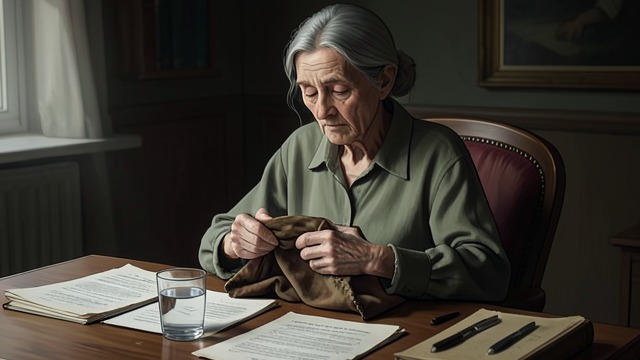
Age and confusion
A failing memory
As she grows old, Giuseppina Saffiotti Florio alternates between lucidity and confusion. She sometimes speaks of the past as though it were present and needs constant care.
Affection remains
Giulia Portalupi Florio looks after her despite a history of conflict. Giuseppina’s illness makes resentment harder to sustain and allows a measure of compassion to replace the wish for vindication.
Her decline does not erase the past, but changes the way those around her can respond to it.
A love confessed too late
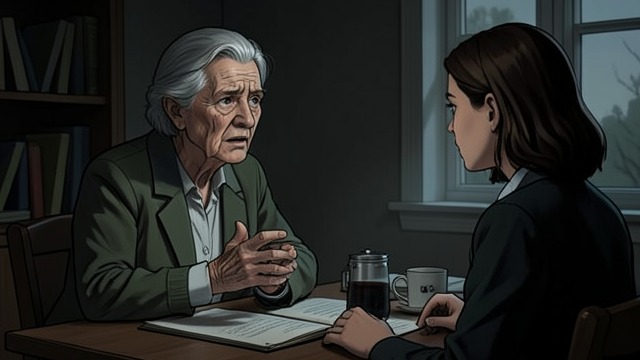
A love confessed too late
A dying admission
Near death, Giuseppina tells Giulia that Ignazio Florio was the man she should have married. She regrets keeping the love hidden because he was her husband’s brother.
A truth handed on
Giulia promises that Ignazio knew, though he may never have heard it from Giuseppina herself. The confession confirms the affection that had shaped their lives in silence.
Her final admission gives language to a bond that neither woman nor man could openly claim, leaving regret as part of the family’s inheritance.
After 1828
1860 to 1862
February 1862
